
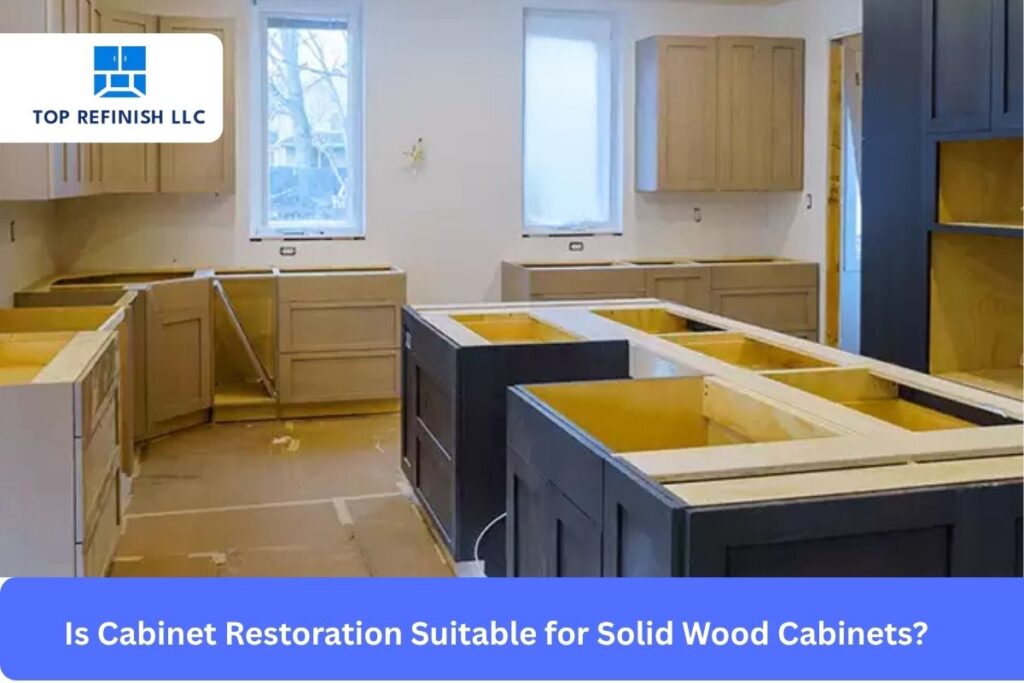
If you’ve ever stood in your kitchen staring at your solid wood cabinets, wondering whether restoration is worth the time, money, and effort, you’re not alone. Many homeowners ask, “Is cabinet restoration suitable for solid wood cabinets?” The short answer is yes, but there’s so much more to consider before you dive in. Solid wood is a beautiful, durable material that, when restored correctly, can look nearly brand‑new while preserving its value and character. In this post, we’ll break down all the factors that matter — from the condition of your cabinets to the benefits of restoration versus replacement.
By the end, you’ll have the clarity you need to decide if restoration is right for your space and how to do it with confidence.
Why Solid Wood Cabinets Are Worth Restoring
Solid wood cabinets hold a special place in many homes — and for good reason. Unlike laminate or veneer options, genuine wood offers warmth, durability, and a timeless look that elevates the entire kitchen. Over time, though, everyday use can leave your cabinets looking worn, scratched, or outdated. Instead of spending thousands on a full replacement, restoration gives you a chance to bring back their natural beauty and maximize your investment.
One major benefit of restoring solid wood cabinets is that wood can be refinished multiple times over its life. Sanding down imperfections, updating the stain color, and repairing hardware can make cabinets appear brand‑new while preserving their structural integrity. Even deeply scratched or faded finishes can often be revived, saving homeowners money and avoiding unnecessary waste. With the right approach, restoration can truly transform a space—breathing new life into cabinets that many would otherwise throw away.
How to Tell If Your Wood Cabinets Need Restoration
Before you start any project, it’s helpful to know what signs to look for. Not all cabinets need restoration — and not every issue requires professional help. Below are common examples of how cabinets benefit restoration:
First, assess the finish. If the stain is uneven, dull, or peeling, restoration can bring back rich color and protective luster. Next, look closely at scratches and dents. Wood is resilient, so surface damage can often be sanded out and refinished with excellent results. Also, check for water damage — raised grain, dark stains, or warping — which signals that moisture has affected your cabinets and may require deeper repairs.
However, if you notice advanced structural issues, such as broken frames, severe rot, or doors that no longer close properly, restoration may not be enough. In those cases, a partial replacement or professional reinforcement could be a smarter long‑term solution.
The Cabinet Restoration Process
If you decide to restore your cabinets, knowing the process can help you prepare and budget effectively. Cabinet restoration typically follows a series of steps that gradually restore both function and beauty.
First, professionals or DIYers begin by removing all cabinet doors and hardware. This allows for focused work on each piece without damaging surrounding areas. Next comes cleaning — heavy degreasing removes built‑up grease, which is especially common in kitchen cabinets. After cleaning, sanding smooths out imperfections and prepares the wood for a fresh finish. Then, staining or painting brings the updated color you want — from rich espresso to a lighter modern white.
The final steps involve sealing the cabinets with a protective topcoat and reinstalling hardware, such as hinges and handles. When done thoughtfully, this process upgrades your cabinets without the disruption and expense of total replacement. Most homeowners find the transformation impressive, especially when transitioning from outdated finishes to something fresh and vibrant.
Restoration vs. Replacement
One of the biggest questions homeowners ask is whether restoring their cabinets truly saves money. The answer is usually yes — but let’s break it down.
Cost: The cost of restoring solid wood cabinets depends on size, materials, and whether you hire professionals. Generally, restoration can cost 30–70% less than a full replacement. Replacement cabinets involve buying new materials, potentially custom orders, and often extensive installation charges, which add up fast. Restoration, on the other hand, focuses on materials like stain and sealer and labor for refinishing.
Time: Restoration also tends to be faster than replacement. Depending on the project’s scale, a typical restoration can take anywhere from a few days to a couple of weeks, especially when factoring in drying time between coats. Replacement often requires custom cabinet fabrication, demolition, and new installation — sometimes lasting several weeks.
Additionally, restoration creates less mess and disruption in your home. You won’t have construction debris everywhere, and you’ll still maintain your existing functional layout.
Environmentally Friendly Choice
In today’s eco-conscious world, many people want to make sustainable choices—and cabinet restoration fits that goal well. Solid wood cabinets are often made from natural materials that are slower to degrade and easier to recycle or reuse. When you restore rather than discard them, you help reduce landfill waste and limit the demand for new wood harvesting.
Furthermore, refinishing cabinets lowers your carbon footprint by eliminating the energy and materials needed for manufacturing new cabinetry. Salvaging cabinets also avoids the environmental impact of transporting heavy new products from factories to your home. For homeowners who care about sustainability, restoration is a responsible choice that’s both practical and planet‑friendly.
Modernizing Your Solid Wood Cabinets with Stylish Updates
Restoring cabinets isn’t just about fixing damage — it’s also a chance to modernize your space. While classic wood grain is timeless, updating finishes and hardware can take your kitchen from outdated to trendy with minimal effort.
Consider switching out old knobs and pulls for modern, sleek hardware in matte black or brushed gold. You can also paint the cabinets in a fresh color—like warm greige, crisp white, or deep navy—while keeping wood doors instead of replacing them. Another option is adding interior lighting or soft‑close mechanisms to enhance functionality and elevate your daily experience.
These upgrades not only refresh the look of your cabinets but also add value to your home. Buyers today often seek kitchens that feel clean, contemporary, and thoughtfully updated — and smart restoration helps deliver that without overspending.
Common Misconceptions About Cabinet Restoration
Despite all the advantages, many homeowners hesitate to restore their cabinets due to a few common myths.
First, some believe restoration is only for light wear. In reality, even cabinets with deeper scratches, faded finishes, and minor water damage can be successfully restored with the right techniques and materials. Surface issues seldom mean the end for solid wood cabinets.
Another misconception is that restoration always means DIY. While many homeowners do enjoy restoring cabinets themselves, working with professionals ensures expert techniques, better finishes, and longer‑lasting results. A professional may also detect hidden structural concerns and provide solutions you might miss.
Lastly, people sometimes think restoration won’t update the style. But as noted earlier, restoration offers vast opportunities to modernize — from refinishing to hardware upgrades — giving your kitchen a fresh, customized look and feel.
Professional Restoration vs. DIY
If you’re a hands‑on homeowner with experience in home improvement, you might be tempted to tackle cabinet restoration yourself. And while DIY can be rewarding, it’s important to weigh the pros and cons honestly.
DIY Benefits: Cost savings and personal control over the project are major advantages. If you enjoy sanding, staining, and painting and have confidence with tools, you can achieve great results. Tutorials and online resources can guide you step‑by‑step.
Professional Benefits: Professionals bring specialized tools, years of experience, and expert refinishing techniques. They can identify issues you might overlook — like hidden water damage or uneven wood grain — and ensure every surface gets a smooth, durable finish. If your cabinets are large, highly detailed, or unevenly worn, professional restoration may be worth the investment for the best outcome.
Ultimately, the right choice depends on your budget, timeline, and skill level. Either way, solid cabinet restoration remains a viable and valuable solution.
Solid Wood Cabinets
One of the best reasons to restore solid wood cabinets is how long they can last — often decades longer. Unlike laminates that peel and chip over time, solid wood can be sanded and refinished many times as styles and preferences evolve. This means that your restoration investment keeps paying off year after year.
Once restored, wood cabinets benefit from protective finishes that resist moisture, heat, and everyday wear. Because solid wood responds well to maintenance, you can keep cabinets looking beautiful with simple cleaning and occasional touch‑ups. And if you ever decide on another style update, wood gives you that flexibility without full replacement.
Wrap‑Up
There’s no one-size-fits-all answer, but solid wood cabinets are generally excellent candidates for restoration. They offer durability, timeless style, and long‑term value that many newer materials can’t match. Restoration helps you renew your cabinets — saving money, reducing waste, and modernizing your space without tedious demolition or costly replacement.
Whether you choose to DIY or hire a professional, restoration gives you the flexibility to personalize finishes, update hardware, and enhance functionality. If your solid wood cabinets have sentimental value, structural integrity, and even moderate wear, restoring them can be one of the most rewarding improvements you make in your home.