
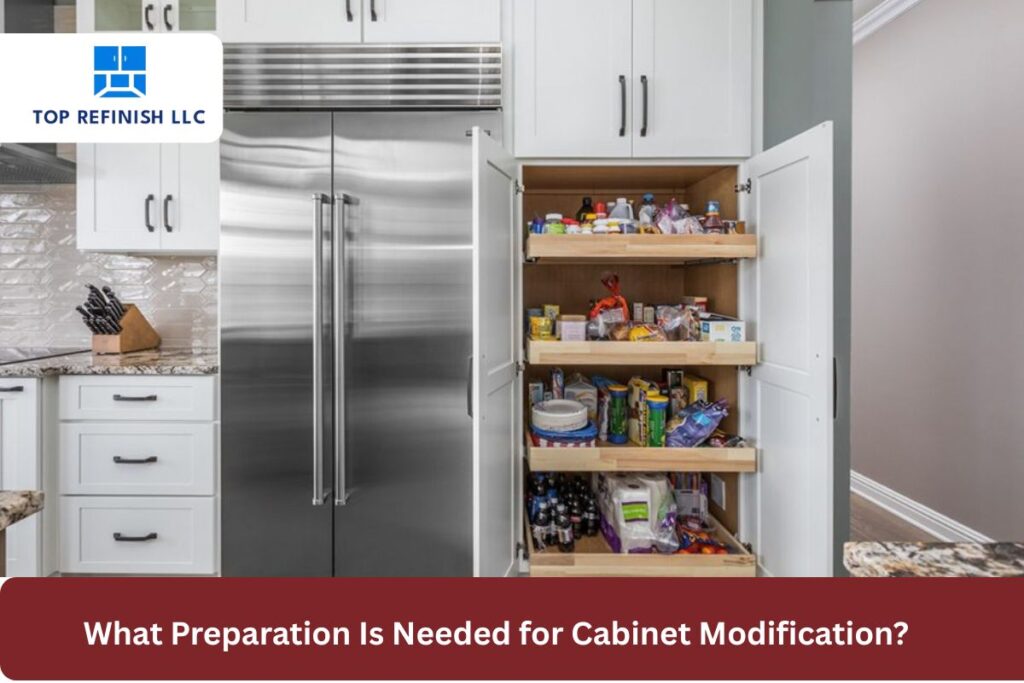
Cabinet modification can completely transform your kitchen, bathroom, or storage area—but here’s the truth: success starts long before the first tool is picked up. Proper preparation is what separates a smooth, professional-looking upgrade from a stressful, costly mistake. Whether you’re planning a minor cabinet update or a full transformation, understanding the groundwork is essential. From evaluating your existing cabinets to setting a realistic budget and timeline, each step plays a crucial role in achieving the results you want. In this guide, we’ll walk you through everything you need to know to prepare effectively. So, if you’re ready to upgrade your space with confidence, let’s break down the preparation process step by step.
Understand Your Cabinet Modification Goals Before You Begin
Before diving into cabinet modification, it’s important to clearly define your goals. Are you aiming for a complete kitchen transformation, or do you simply want to refresh the look with cabinet refinishing? Knowing your objective helps guide every decision, from materials to design style. For example, if your cabinets are structurally sound, cabinet refacing or resurfacing might be enough. On the other hand, if there’s damage or outdated functionality, a deeper modification may be necessary.
Additionally, think about how you use your space daily. Do you need more storage, better organization, or modern aesthetics? Understanding your lifestyle needs ensures that your cabinet upgrade isn’t just visually appealing but also practical. By setting clear goals, you create a roadmap that keeps your project focused and prevents unnecessary changes later on.
Inspect the Existing Cabinets Thoroughly
A detailed inspection of your current cabinets is a crucial preparation step. Start by examining the cabinet boxes, doors, hinges, and internal shelves. Look for signs of damage such as warping, water stains, mold, or structural instability. If the base structure is weak, modification might not be the best option, and replacement could be more cost-effective in the long run.
Moreover, check the quality of materials used in your cabinets. Solid wood cabinets are usually ideal candidates for modification, while particleboard or laminate cabinets may require special treatment. Identifying these factors early allows you to plan the right approach and avoid surprises during the project. A careful inspection ensures that your efforts and budget are invested wisely.
Set a Realistic Budget and Timeline
Budgeting is often underestimated, yet it plays a central role in cabinet modification preparation. Determine how much you’re willing to spend and break it down into categories such as materials, labor, tools, and unexpected expenses. Keep in mind that custom cabinet modification can vary significantly in cost depending on the complexity and materials chosen.
In addition to the budget, establishing a realistic timeline is equally important. Consider how long each phase will take, including preparation, installation, and finishing touches. If you’re hiring professionals, discuss deadlines and availability upfront. A well-planned budget and timeline not only reduce stress but also help you stay on track throughout the project.
Choose the Right Materials and Finishes
Selecting the appropriate materials and finishes can make or break your cabinet modification project. From wood types to paint, stains, and hardware, each element contributes to the overall look and durability. For example, hardwood options like oak or maple are known for their strength and timeless appeal, while laminate finishes offer affordability and versatility.
Equally important is choosing finishes that match your interior design. Whether you prefer a modern, sleek appearance or a rustic charm, your material choices should align with your vision. Don’t forget to consider maintenance requirements and long-term durability. Investing time in material selection ensures your cabinets remain beautiful and functional for years to come.
Plan the Design and Layout Carefully
A successful cabinet modification project requires thoughtful design and layout planning. Start by measuring your space accurately and mapping out the placement of cabinets, appliances, and fixtures. This step is especially important if you’re changing the configuration or adding new features like pull-out shelves or soft-close drawers.
Furthermore, consider ergonomic factors such as accessibility and convenience. Ensure that frequently used items are within easy reach and that the layout promotes efficient workflow. A well-planned design not only enhances the visual appeal of your space but also improves its usability. Taking the time to plan your layout prevents costly adjustments later.
Prepare the Work Area Properly
Preparing your workspace is often overlooked, but it’s essential for a smooth cabinet modification process. Start by clearing out all items from your cabinets and surrounding areas. Protect floors, countertops, and nearby furniture with drop cloths or plastic sheets to prevent damage.
In addition, ensure proper ventilation, especially if you’ll be using paints, stains, or adhesives. Good airflow helps maintain a safe working environment and improves the quality of finishes. Organizing your tools and materials beforehand also saves time and reduces frustration. A clean, well-prepared workspace sets the stage for efficient and hassle-free work.
Gather Tools and Equipment in Advance
Having the right tools and equipment ready before starting your cabinet modification is key to avoiding delays. Common tools include drills, screwdrivers, sanders, measuring tapes, and clamps. Depending on your project, you may also need specialized tools such as routers or paint sprayers.
Equally important is ensuring that your tools are in good condition and suitable for the task. Using the right equipment not only improves efficiency but also enhances the quality of your work. If you’re unsure about certain tools, consider consulting professionals or renting equipment. Being fully equipped allows you to focus on the project without unnecessary interruptions.
Consider Hiring Professionals vs. DIY
One of the biggest decisions you’ll make during preparation is whether to handle the project yourself or hire professionals. DIY cabinet modification can be cost-effective and rewarding, especially for smaller projects. However, it requires time, skill, and patience.
On the other hand, hiring professionals ensures high-quality results and saves time. Experienced contractors can handle complex modifications, provide design insights, and prevent costly mistakes. Weigh the pros and cons based on your budget, timeline, and expertise. Making the right choice here can significantly impact the outcome of your project.
Don’t Forget Permits and Safety Measures
Depending on the scope of your cabinet modification, you may need permits or approvals, especially if structural changes are involved. Check local building codes and regulations to ensure compliance. Ignoring this step can lead to fines or project delays.
Safety should also be a top priority. Use protective gear such as gloves, goggles, and masks when working with tools and chemicals. Ensure that electrical connections and installations are handled properly. By prioritizing safety and compliance, you protect both yourself and your investment.
Wrap-Up
Preparing for cabinet modification might seem overwhelming at first, but with the right approach, it becomes a manageable and rewarding process. From defining your goals to inspecting cabinets, setting a budget, and planning the design, each step contributes to a successful outcome. Proper preparation not only ensures a smoother workflow but also enhances the durability and appearance of your cabinets. Whether you choose to go the DIY route or hire professionals, taking the time to plan thoroughly will pay off in the long run. So, get organized, stay focused, and start your cabinet transformation journey with confidence—you’ll be glad you did.
FAQs
1. How long does cabinet modification take?
The timeline varies depending on the complexity of the project. Simple modifications may take a few days, while extensive upgrades can take several weeks.
2. Is cabinet modification cheaper than replacement?
Yes, in most cases, cabinet modification is more cost-effective than full replacement, especially if the existing structure is in good condition.
3. Can all cabinets be modified?
Not all cabinets are suitable for modification. Cabinets with severe damage or poor-quality materials may require replacement instead.
4. What is the most important preparation step?
The most important step is evaluating your existing cabinets and defining your goals. This ensures that your project starts on the right track.