
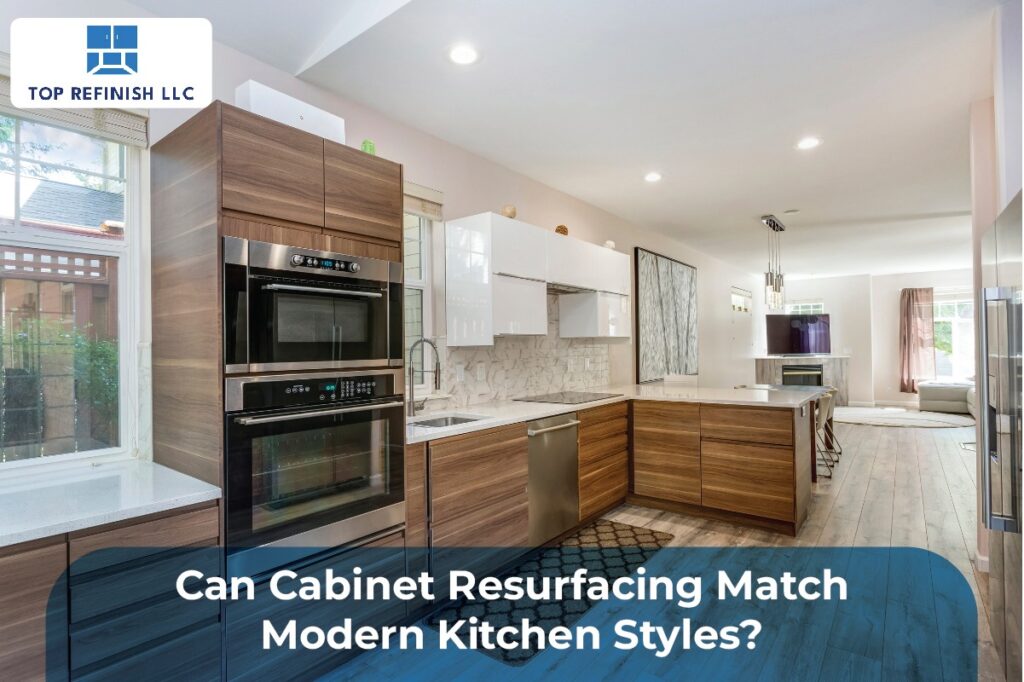
Kitchens have evolved into more than just cooking spaces. Today, they serve as gathering spots, entertainment hubs, and design statements that reflect personal style. So, it’s no surprise that homeowners want their kitchens to look modern, sleek, and Instagram-worthy. But here’s the big question: can cabinet resurfacing truly match modern kitchen styles, or is a full cabinet replacement the only way to achieve that fresh, contemporary look?
The good news is that cabinet resurfacing has come a long way. With advanced materials, updated finishes, and professional craftsmanship, resurfacing can transform outdated cabinets into stylish focal points. Moreover, it offers a cost-effective and eco-friendly alternative to complete cabinet replacement. Let’s dive in and explore how resurfacing fits perfectly into today’s modern kitchen trends—and why it might be the smart move for your next remodel.
Understanding Cabinet Resurfacing—What Does It Really Involve?
Before deciding whether cabinet resurfacing can match modern kitchen styles, it’s important to understand what the process includes. Cabinet resurfacing, also known as cabinet refacing, involves keeping your existing cabinet boxes intact while replacing doors, drawer fronts, and hardware. Additionally, professionals apply a new veneer or laminate to the cabinet frames to create a cohesive look.
Because the core structure remains in place, the project moves faster than a full remodel. In most cases, homeowners can complete cabinet resurfacing within a few days rather than weeks. This approach not only reduces labor costs but also minimizes disruption to daily life. Furthermore, resurfacing allows you to select modern finishes, soft-close hinges, and sleek hardware, giving your kitchen a fresh upgrade without tearing everything out.
Why Modern Kitchen Styles Favor Clean Lines and Minimalism
Modern kitchen design emphasizes simplicity, functionality, and clean lines. Instead of ornate details, today’s trends focus on flat-panel doors, neutral color palettes, and streamlined hardware. Consequently, homeowners often assume they need brand-new cabinetry to achieve this look. However, resurfacing offers a similar visual impact when done correctly.
For instance, by choosing slab-style cabinet doors and matte finishes, you instantly align your kitchen with contemporary aesthetics. Additionally, neutral tones such as white, gray, navy, or even soft beige create a sophisticated backdrop. Because resurfacing gives you full control over door styles and finishes, you can easily embrace minimalism without overspending. Therefore, modern style does not demand a complete overhaul—just thoughtful upgrades.
Materials and Finishes That Elevate a Contemporary Look
One of the biggest concerns homeowners have is whether resurfaced cabinets will look “cheap.” Fortunately, modern resurfacing materials deliver high-end results. Professionals now use durable veneers, thermofoil, laminate, and real wood finishes that closely mimic custom cabinetry. As a result, you achieve both beauty and longevity.
Additionally, high-gloss finishes and textured wood grains complement contemporary kitchens perfectly. For example, glossy white cabinets reflect light and make smaller kitchens appear larger. On the other hand, warm walnut tones add depth while maintaining a modern edge. When paired with quartz countertops, glass backsplashes, and under-cabinet lighting, resurfaced cabinets blend seamlessly into updated spaces. In short, the material options available today make resurfacing a powerful design tool.
Cost-Effective Modernization Without Sacrificing Quality
Budget plays a major role in any kitchen renovation. Full cabinet replacement can quickly escalate in cost due to demolition, labor, and new materials. In contrast, cabinet resurfacing typically costs 30–50% less than installing entirely new cabinetry. That savings allows homeowners to invest in other upgrades, such as modern appliances or smart lighting.
Importantly, saving money does not mean compromising quality. When professionals handle the resurfacing process, the result looks polished and cohesive. Because the cabinet boxes remain intact, structurally sound cabinetry continues serving your kitchen for years. Therefore, resurfacing offers a practical balance between style and financial responsibility. You can enjoy a modern kitchen remodel without draining your renovation budget.
Customization Options That Compete With New Cabinets
Many homeowners believe that only new cabinets provide full customization. However, professional cabinet resurfacing services also offer extensive design flexibility. However, resurfacing offers impressive flexibility. You can choose from various door styles, colors, textures, and hardware finishes. Additionally, you may add crown molding, glass inserts, or open shelving for a personalized touch.
For example, if you prefer a transitional-modern style, you can select shaker-style doors with matte black handles. Meanwhile, homeowners aiming for a sleek European aesthetic might opt for flat-panel cabinets with hidden pulls. Because resurfacing allows these design adjustments, it competes strongly with full cabinet replacement. In fact, many kitchens look completely transformed after resurfacing, leaving guests unaware that the cabinet boxes are original.
Eco-Friendly Remodeling for the Modern Homeowner
Sustainability matters more than ever. Modern homeowners often seek environmentally responsible renovation options. Cabinet resurfacing supports eco-conscious living by reducing waste. Instead of discarding entire cabinets into landfills, you reuse existing structures and update only the visible components.
Furthermore, resurfacing consumes fewer raw materials than manufacturing brand-new cabinetry. As a result, you lower your environmental footprint while still achieving a fresh kitchen design. If sustainability influences your remodeling decisions, resurfacing stands out as a responsible and forward-thinking choice. Not only does your kitchen look modern, but it also reflects values that align with today’s environmentally aware lifestyle.
When Cabinet Resurfacing May Not Be the Best Fit
Although resurfacing offers many benefits, it is not ideal for every kitchen. If your cabinet boxes show significant structural damage, water issues, or poor layout design, replacement may be necessary. Additionally, homeowners seeking a completely different kitchen configuration might require new cabinetry to accommodate changes.
However, if your cabinet structure remains solid and functional, resurfacing delivers excellent results. In fact, many kitchens simply need cosmetic upgrades rather than structural overhauls. A professional inspection helps determine whether your cabinets qualify for resurfacing. Therefore, evaluating your current setup ensures you make an informed and strategic remodeling decision.
Boost Home Value With a Stylish Cabinet Upgrade
A modern kitchen significantly influences home resale value. Potential buyers often prioritize updated kitchens when comparing properties. Because cabinets occupy substantial visual space, refreshing them enhances overall appeal. Cabinet resurfacing provides that updated look without the extensive costs of full remodeling.
Additionally, contemporary cabinet finishes create a lasting first impression. Buyers appreciate neutral palettes and clean designs, which allow them to envision their own décor. Consequently, resurfaced cabinets can increase perceived value and attract competitive offers. Whether you plan to sell soon or stay long-term, investing in cabinet resurfacing contributes positively to your home’s marketability.
Take the Next Step—Is Cabinet Resurfacing Right for You?
If you crave a modern kitchen without weeks of construction chaos, cabinet resurfacing deserves serious consideration. It delivers sleek design, customization flexibility, cost savings, and environmental benefits. Moreover, the process allows homeowners to stay in control of style choices without overwhelming renovation expenses.
Before moving forward, consult with a professional cabinet resurfacing specialist. They can assess your existing cabinets and recommend finishes that align with your vision. With thoughtful planning and quality craftsmanship, resurfacing absolutely can match—and even enhance—modern kitchen styles. Sometimes, the smartest upgrade isn’t starting over; it’s refining what you already have.
Wrap-Up
So, can cabinet resurfacing match modern kitchen styles? Absolutely. With advanced materials, customizable designs, and professional installation, resurfacing delivers sleek, contemporary results without the high cost of full replacement. Furthermore, it supports sustainability, reduces renovation time, and preserves structurally sound cabinetry.
While not every kitchen qualifies for resurfacing, many homeowners find it to be the perfect balance between affordability and style. By selecting modern finishes, minimalist hardware, and trending color palettes, you can achieve a high-end transformation. Ultimately, cabinet resurfacing proves that you don’t need to demolish your kitchen to modernize it. Instead, you simply need the right strategy and skilled craftsmanship.
FAQs
1. How long does cabinet resurfacing typically take?
Most cabinet resurfacing projects take three to five days, depending on kitchen size and customization options.
2. Is cabinet resurfacing durable?
Yes. High-quality veneers, laminates, and wood finishes provide long-lasting durability when professionally installed.
3. Can I change the color completely during resurfacing?
Absolutely. You can choose from a wide range of modern colors, including white, gray, navy, and natural wood tones.
4. Does resurfacing increase home value?
Yes. Updated cabinets enhance visual appeal and can positively impact resale value by giving your kitchen a modern look.