
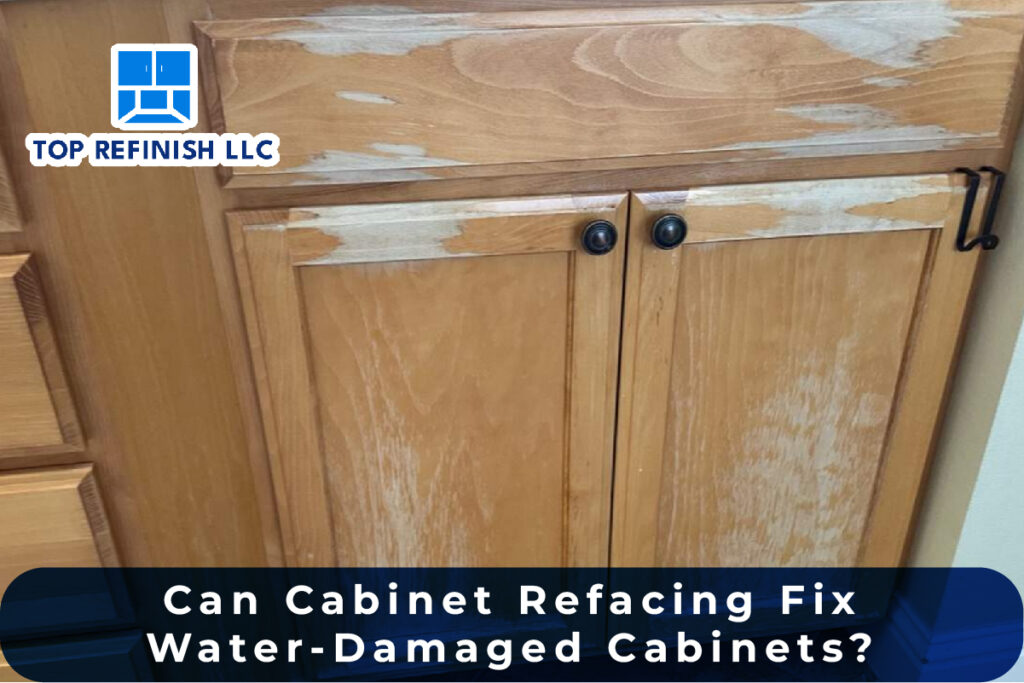
Water damage inside your kitchen can create anxiety, especially when you notice your cabinets swelling, peeling, or losing their structural strength. Many homeowners hope that refacing can solve the problem, mostly because it’s more affordable and far less disruptive than replacing the entire cabinetry. While cabinet refacing is an excellent way to refresh outdated or worn-out cabinets, it’s not a miracle fix for every level of moisture damage. Understanding what refacing can and cannot repair is the key to avoiding costly mistakes, protecting your investment, and restoring the beauty of your kitchen. Before you decide which path to take, it’s important to learn how moisture affects different cabinet materials, what professionals evaluate, and when refacing is truly a long-lasting solution.
How Water Damage Affects Cabinets Over Time
Water can impact cabinets slowly or suddenly, depending on the source. A small leak under the sink might go unnoticed for months. By the time you catch it, the cabinet base may already be soft to the touch or sagging. Even short-term exposure from a dishwasher leak can cause wood cabinets to expand, warp, or develop blistered finishes. This damage doesn’t always appear immediately; instead, signs can show up gradually as the moisture dries and leaves behind structural weakness.
Another issue many homeowners overlook is the effect water has on laminated or particleboard cabinets. These materials absorb moisture quickly. Once swollen, they rarely return to their original form. Even if you dry them immediately, the internal structure may already be compromised. That is why deeper damage requires more than cosmetic fixes and must be evaluated before considering refacing.
Can Refacing Save Cabinets with Moisture Damage?
Cabinet refacing can be extremely effective—if the cabinet boxes are structurally sound. Refacing involves replacing the doors, drawer fronts, and veneer while keeping the core framework intact. If the box is strong, stable, and has not softened or warped, refacing is not only possible but also a smart way to refresh your kitchen without a full renovation. Many homeowners choose refacing to modernize their space, change their cabinet style, or enhance the value of their home.
However, refacing has limitations. If the cabinet box is crumbling, delaminating, or showing heavy mold growth, refacing will only cover up the real issue. Moisture damage weakens the foundation of the cabinet. Even if you install flawless new doors and veneer, the underlying structure will eventually fail. That is why a professional inspection is essential before deciding whether refacing is appropriate.
Signs Your Water-Damaged Cabinets Cannot Be Refaced
Before choosing refacing, you need to evaluate the condition of the cabinet boxes. One major red flag is soft or spongy wood. Cabinet bases affected by long-term leaks will feel weak or may crumble when touched. This indicates internal breakdown. Another sign is severe warping. Warped boxes alter the alignment of doors and prevent new veneers from adhering properly. Refacing won’t correct structural distortion, so replacement becomes necessary.
Mold is another concern. When moisture sits inside cabinets, it creates an ideal environment for mold growth. Even if the outer wood looks fine, the hidden panels may already be compromised. Mold is not something you can simply cover with veneer. It must be removed completely to avoid health risks. Strong odors, bubbling surfaces, and peeling laminate also indicate the type of damage refacing cannot safely repair.
When Refacing Works Well for Water-Damaged Cabinets
In mild cases, refacing can absolutely restore cabinets affected by minor moisture exposure. Sometimes water damage occurs only on the outer surfaces—perhaps from spills, steam from cooking, or temporary contact with water during cleaning. In such scenarios, the cabinet boxes remain firm and stable, making them perfect candidates for refacing. The process removes the damaged outer layer and replaces it with a fresh veneer and new hardware.
Another situation where refacing works is when damage is isolated to the doors but not the frame. Doors often show wear faster because they face constant use and exposure. If the boxes are unaffected, replacing the doors and applying new finishes can make the entire kitchen look new. Homeowners often take the opportunity to upgrade to moisture-resistant materials during the refacing process to prevent future issues.
Material Choices That Improve Long-Term Water Resistance
If you’re refacing cabinets that previously experienced moisture issues, material choice becomes extremely important. Solid wood frames are durable, but they still react to moisture. Choosing veneers made from high-grade plywood or moisture-resistant materials can help minimize future problems. Many modern refacing materials come with protective coatings that shield the wood from humidity and accidental spills.
Also consider thermofoil or laminate finishes, which provide excellent moisture protection when installed correctly. These materials are easy to clean and resist swelling, making them suitable for busy kitchens. Even updated hardware with rust-resistant coatings can improve your cabinet’s lifespan. Another smart upgrade is sealing edges properly so moisture cannot seep into the veneer or cabinet joints. By selecting the right materials, you significantly increase the durability of your refaced cabinets.
Why Fixing the Source of Water Matters Before Refacing
Before refacing begins, you must identify and repair the cause of the water damage. Whether the issue stems from a leaking pipe, a dripping sink, improper appliance installation, or high humidity levels, ignoring the source will only lead to repeated damage. Many homeowners fix the cabinets but overlook the underlying problem, which causes the new materials to deteriorate just as quickly.
Addressing moisture issues also prevents related problems such as mold growth and weakened floors. If your cabinets suffered from conditions similar to ceiling paint peeling after water damage, it indicates that moisture issues may extend beyond just the cabinets. A professional should inspect surrounding areas like flooring, drywall, and plumbing to ensure your kitchen remains safe and sturdy long after the refacing project is complete.
When Full Cabinet Replacement Is the Better Option
While refacing is cost-effective, replacement is the safer option when cabinets have moderate to severe water damage. If the cabinet box is structurally unsound, no amount of veneer or new doors can stabilize it. Replacement allows you to start fresh with high-quality materials designed for durability. It also gives you the opportunity to redesign your storage layout and improve your kitchen’s functionality.
Replacement becomes essential when moisture has reached multiple cabinet sections. Severe water damage often spreads silently, affecting nearby frames, toe kicks, and connecting structures. Replacing the cabinets ensures you remove all compromised materials. While the upfront cost may be higher, the long-term stability, hygiene, and performance of your kitchen will make it a worthwhile investment.
Wrap-Up
Cabinet refacing is a powerful way to revitalize your kitchen, but it isn’t suitable for every level of water damage. Understanding the condition of your cabinet boxes is the first step in making a smart decision. If the structure is strong, refacing offers a cost-effective and visually stunning solution. However, severely damaged cabinets require replacement to ensure long-term safety and performance. To protect your investment, always address the source of moisture before beginning any renovation work. Whether you choose refacing or replacement, using the right materials and professional guidance will help you maintain a beautiful, functional, and moisture-resistant kitchen for years. Making an informed decision today will prevent costly repairs down the road.
FAQs
1. Can swollen cabinet boxes be repaired before refacing?
Swollen cabinet boxes rarely return to their original shape. In most cases, replacement is recommended.
2. Does refacing protect cabinets from future water damage?
Yes, if you choose moisture-resistant materials and ensure proper sealing during installation.
3. How do I know if mold is present inside my cabinets?
Look for musty odors, discoloration, or bubbling surfaces. A professional inspection is best for confirmation.
4. Can only the damaged part be replaced instead of the whole cabinet?
Minor localized damage may allow partial replacement, but widespread damage often requires full cabinet replacement.