
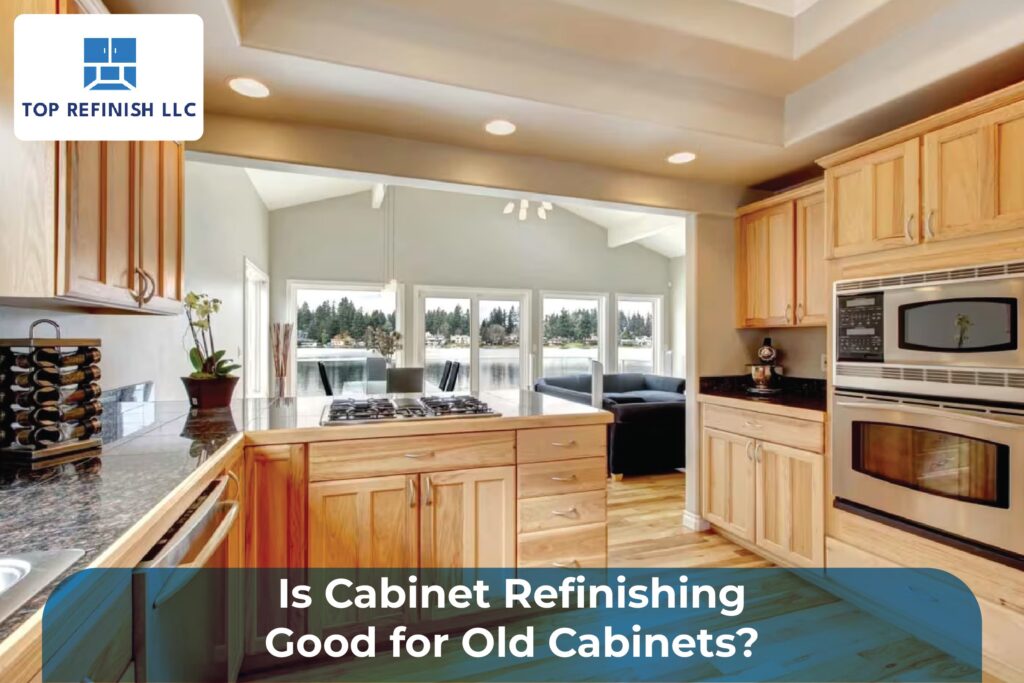
Old kitchen cabinets often show their age through scratches, faded finishes, outdated colors, and minor wear. However, replacing cabinets entirely can be expensive and disruptive. Many homeowners wonder whether cabinet refinishing is a smart solution for older cabinetry. The short answer is yes, in many cases, cabinet refinishing is not only a good option but also an excellent investment. When done correctly, refinishing restores beauty, extends lifespan, and modernizes your kitchen without the high cost of full replacement.
That said, refinishing is not the right solution for every situation. The success of the project depends on cabinet condition, material quality, and structural integrity. Understanding when refinishing works best can help homeowners make an informed and cost-effective decision. If your cabinets are structurally sound but visually outdated, refinishing may be exactly what your kitchen needs.
What Is Cabinet Refinishing?
Cabinet refinishing is the process of restoring the existing cabinet surfaces by sanding, repairing minor damage, and applying new stain or paint. Unlike cabinet replacement, refinishing keeps the original cabinet boxes and doors intact. Instead of removing the entire structure, professionals focus on improving the exterior appearance.
Additionally, refinishing can involve updating hardware, repairing surface imperfections, and applying protective coatings for durability. This approach transforms worn cabinets into refreshed and modern-looking features. Because the structure remains unchanged, the project typically requires less time, lower labor costs, and minimal disruption to daily life.
For homeowners who appreciate their current kitchen layout but want a visual upgrade, refinishing provides a practical middle ground between minor cosmetic touch-ups and complete remodeling.
When Is Cabinet Refinishing a Good Option for Old Cabinets?
Cabinet refinishing works best when cabinets are structurally solid. If the frames, doors, and boxes remain sturdy without major water damage or warping, refinishing can significantly improve appearance. Solid wood cabinets, in particular, respond very well to sanding and staining because the material can be restored multiple times.
Moreover, older cabinets are often built with higher-quality materials compared to some modern mass-produced options. Many homes feature hardwood cabinetry that was designed to last decades. In these cases, refinishing preserves craftsmanship while updating the style. Instead of discarding durable materials, homeowners can breathe new life into them.
However, if cabinets are severely damaged, structurally unstable, or made from low-quality particleboard, refinishing may not produce long-lasting results. A professional inspection helps determine whether refinishing is suitable.
Cost Savings Compared to Full Replacement
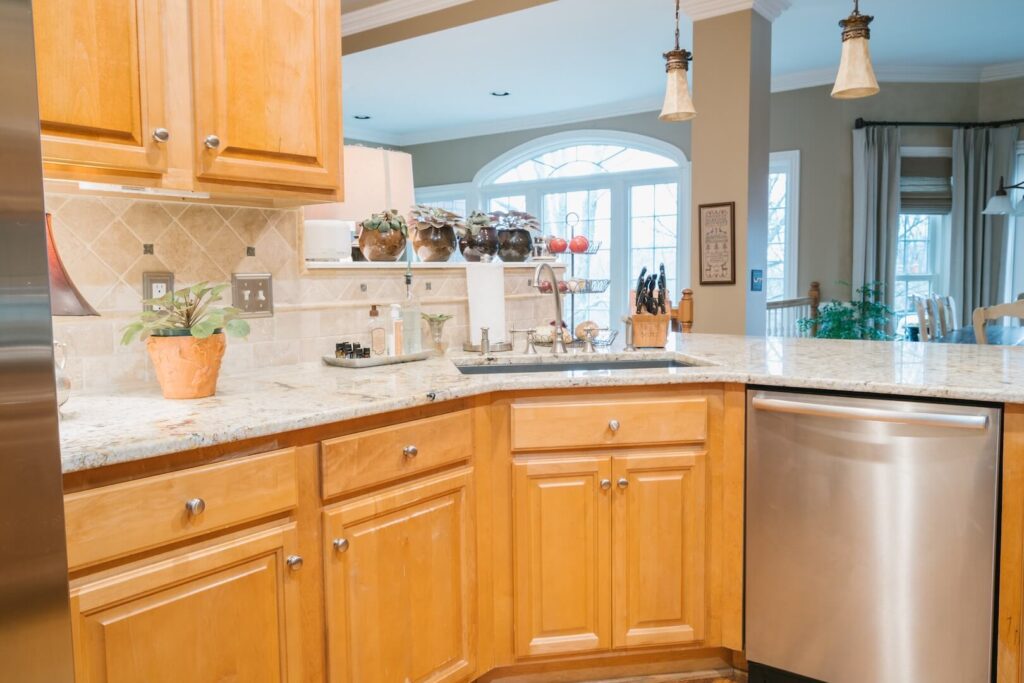
One of the biggest advantages of cabinet refinishing is cost efficiency. Full cabinet replacement involves demolition, disposal, new materials, installation, and potential plumbing or electrical adjustments. These combined expenses can quickly escalate.
In contrast, refinishing typically costs significantly less because it uses the existing structure. Labor focuses on preparation and finishing rather than construction. As a result, homeowners can achieve a refreshed kitchen appearance at a fraction of the cost of remodeling.
Additionally, refinishing reduces hidden expenses such as countertop removal or backsplash damage that sometimes occur during full replacement. By preserving the cabinet framework, homeowners avoid unnecessary structural changes. For those working within a budget, refinishing delivers a noticeable transformation without financial strain.
Extending the Lifespan of Older Cabinets
Old cabinets do not automatically need replacement simply because they look worn. In many cases, the underlying structure remains durable. Refinishing strengthens and protects these cabinets by sealing surfaces and repairing minor imperfections.
Furthermore, modern finishing products provide enhanced durability compared to older coatings. High-quality paints, stains, and sealants resist moisture, scratches, and fading. This added protection can extend the life of cabinets by many years.
Instead of allowing minor cosmetic wear to progress into more serious damage, refinishing acts as preventive maintenance. By addressing surface issues early, homeowners protect their investment and maintain long-term functionality.
Updating Style Without Changing Layout
Kitchen layout changes can be disruptive and costly. Plumbing, electrical wiring, and appliance placement often depend on existing cabinet configurations. If the layout already works well, replacing cabinets solely for aesthetic reasons may not be necessary.
Refinishing allows homeowners to modernize their kitchen without altering its structure. Whether switching from a dark stain to a lighter finish or updating to a contemporary painted look, refinishing provides design flexibility. Color changes alone can dramatically brighten and refresh the entire room.
Additionally, updating cabinet hardware alongside refinishing creates a cohesive and modern appearance. New handles and hinges complement the updated finish, giving the kitchen a fully renovated look without extensive construction.
Environmental Benefits of Refinishing
Sustainability has become increasingly important in home improvement decisions. Cabinet refinishing supports environmentally responsible practices by reducing waste. Instead of discarding usable cabinetry into landfills, homeowners reuse existing materials.
Moreover, manufacturing new cabinets requires raw materials, energy, and transportation. By refinishing, homeowners reduce resource consumption and environmental impact. This approach aligns with eco-friendly remodeling strategies that prioritize conservation.
Choosing refinishing over replacement reflects a commitment to sustainability while still achieving aesthetic improvement. It demonstrates that upgrading a home does not always require starting from scratch.
Potential Limitations to Consider
Although cabinet refinishing offers many benefits, it does have limitations. Cabinets with severe structural damage, extensive water exposure, or warped frames may not respond well to refinishing. In such cases, replacing certain components might be necessary.
Additionally, refinishing does not change door styles or cabinet configurations. If homeowners want a completely new design layout or modern flat-panel doors instead of raised panels, refinishing alone may not achieve that goal. In those situations, cabinet refacing or replacement might be more appropriate.
Understanding these limitations ensures realistic expectations. Consulting with a professional helps determine whether refinishing meets both functional and aesthetic objectives.
Professional Refinishing vs. DIY Approaches
Some homeowners consider refinishing cabinets as a do-it-yourself project. While DIY refinishing is possible, achieving a smooth and durable finish requires proper preparation, equipment, and expertise. Inadequate sanding or uneven application can lead to peeling, bubbling, or visible brush marks.
Professional refinishing services use specialized tools and high-quality products designed for long-term durability. They also ensure proper curing and surface protection. Although professional services involve a cost, the improved results often justify the investment.
For older cabinets with sentimental or material value, professional refinishing helps preserve integrity while delivering a polished and modern finish.
Wrap-Up
Cabinet refinishing is often an excellent solution for old cabinets that remain structurally sound. It restores beauty, extends lifespan, and updates style without the high expense of full replacement. For homeowners who appreciate their existing layout and want a cost-effective refresh, refinishing provides impressive results.
While not suitable for severely damaged cabinets, refinishing offers significant financial and environmental benefits in most cases. By preserving quality materials and enhancing durability, this approach transforms outdated kitchens into refreshed and functional spaces. If your old cabinets still have solid bones, refinishing may be the smartest upgrade you can make.
Frequently Asked Questions
Can all old cabinets be refinished?
Not all cabinets qualify. They must be structurally sound and free from severe damage.
How long does cabinet refinishing last?
With professional application and proper care, refinished cabinets can last many years.
Is refinishing cheaper than replacing cabinets?
Yes, refinishing typically costs significantly less than full cabinet replacement.
Does refinishing change the cabinet layout?
No, refinishing updates the appearance but keeps the existing structure and layout intact.