
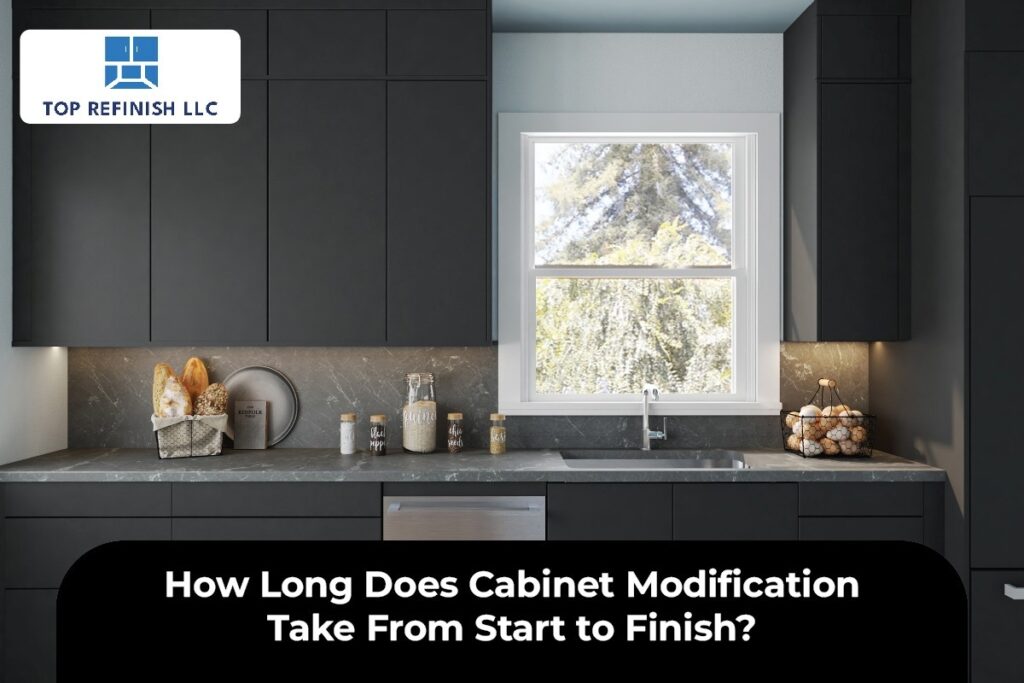
Cabinet modification has become extremely popular among homeowners who want an updated, customized kitchen without going through a complete remodel. Whether you’re adding new storage features, changing the layout, upgrading hardware, or altering the design to fit modern appliances, cabinet modification can dramatically improve your space. However, one of the first questions homeowners ask is how long the entire process takes. Timing matters because many people need their kitchen functioning, and unexpected delays can interrupt daily routines. The length of a cabinet modification project varies depending on the complexity of the work, materials ordered, and the condition of your existing cabinets. When modifications involve correcting issues like moisture damage or weakened structures, the timeline becomes even more important because extra steps must be taken for durability. Understanding each stage helps you plan ahead with confidence.
Evaluating the Cabinets and Planning the Project Timeline
The first stage in any cabinet modification process is the evaluation and planning phase. This typically takes a few days to a week, depending on the contractor’s schedule and how quickly you approve the design. During this phase, the contractor inspects your cabinets for structural concerns, existing wear, and signs of hidden issues. When cabinets show early signs of moisture problems, similar to ceiling paint peeling after water damage, additional steps may be needed to ensure long-lasting results. This is why a thorough inspection is crucial before any modifications begin.
Planning is more detailed than most homeowners realize. Your contractor will take precise measurements, confirm the modification goals, and outline the technical details of any changes. This stage also includes choosing materials, finishes, hardware, and custom features such as pull-outs or interior upgrades. Even small changes require accurate planning because cabinets must align correctly and maintain structural integrity. While this phase may feel slow, it sets the groundwork for a smooth modification process.
Material Selection and Sourcing Lead Times
After planning comes material selection and ordering, which greatly affects the project timeline. The timeframe for obtaining materials can range from a few days to several weeks depending on product availability. Stock materials are usually ready quickly, but custom doors, high-end finishes, or specialty hardware may require more time. If your cabinet modification includes custom shelving, upgraded drawer systems, or new doors built to fit the existing structure, you can expect longer lead times.
During this period, homeowners sometimes assume nothing is happening, but behind the scenes, manufacturers, designers, and suppliers are preparing the exact components that will make the project successful. Good contractors keep you informed about delivery timelines and any potential delays. While the waiting period may feel inconvenient, quality custom materials are essential in achieving a polished and durable result. Rushing material orders often leads to inaccuracies or mismatched finishes, which can extend the timeline unexpectedly.
Preparing the Home and Removing Old Components
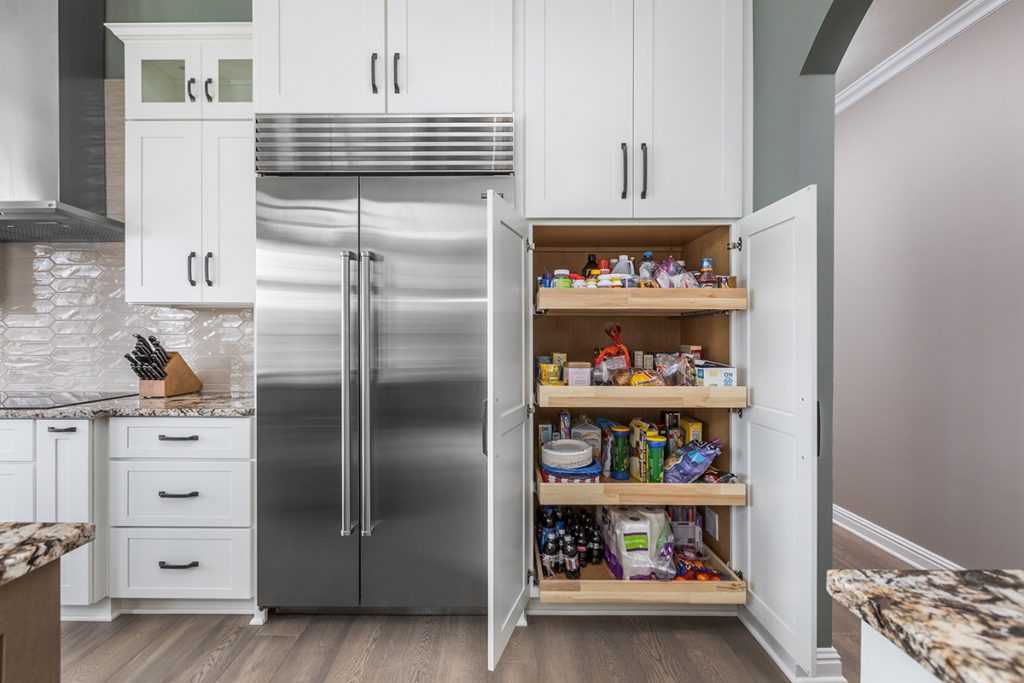
Once materials arrive, contractors schedule the onsite work. Preparation and removal usually take one to two days. This step involves clearing the workspace, protecting your countertops and floors, and carefully removing components such as doors, hardware, or interior shelving that will be replaced or modified. Some homeowners assume this phase is quick and simple, but proper removal helps prevent damage that could add days to the schedule.
During this stage, contractors also assess the internal structure of your cabinets to confirm everything is ready for the planned modifications. If unexpected issues arise—like hidden water exposure, structural weakening, or improper past installations—the project timeline can shift slightly. However, these issues must be addressed immediately to avoid long-term problems. A careful and well-organized removal process ensures the rest of the project proceeds smoothly.
Completing Structural Modifications and Custom Upgrades
Structural modifications vary widely from project to project. This is one of the most time-consuming stages because it involves adjusting the internal framework, adding reinforcements, resizing openings, and installing new functional features. Depending on complexity, this stage typically takes three to seven days. Modifications like converting fixed shelves into pull-outs, adding drawer bases, creating appliance panels, or reworking corner cabinets require precision and careful craftsmanship.
Contractors use specialized tools and techniques to ensure the modifications blend seamlessly with the existing structure. Even though many of these changes are hidden inside the cabinets, they significantly improve accessibility and convenience. When modifying cabinets in older homes, this stage can take slightly longer because older construction materials and uneven surfaces require more preparation. The craftsmanship involved plays an essential role in the overall durability and appearance of the finished cabinets.
Installing New Doors, Hardware, and Visible Finishes
Once structural work is complete, the installation of new doors, drawer fronts, and hardware begins. This stage is often the most exciting for homeowners because the transformation becomes visually noticeable. Installation typically takes one to three days depending on the number of cabinets and the detail level of the design. Contractors must ensure doors align properly, hinges work smoothly, and all finishes match precisely for a cohesive appearance.
Hardware installation, although small in scale, can be time-consuming because each handle or knob must be positioned accurately. Misaligned hardware can affect both the appearance and the functionality of your cabinets. This stage also includes applying final touch-ups, adjusting door alignment, and ensuring the new components integrate perfectly with the original cabinets. When performed by professionals, this part of the process creates a polished, showroom-quality finish.
Applying Protective Coatings and Quality Assurance Checks
If your cabinet modification includes new finishes or touch-ups, protective coatings may be applied. These coatings help prevent wear, resist moisture, and extend the lifespan of the modified cabinets. Drying and curing times vary but typically require an additional day or two. Contractors carefully monitor humidity levels and drying conditions to ensure the coatings cure properly. Rushing this step can compromise the finish and cause future peeling or cracking.
Quality assurance inspections are also performed during this stage. Contractors check all hinges, slides, and joints to ensure everything works smoothly. They make adjustments where necessary and confirm that all components meet the expected standard. This phase ensures that the cabinets are not only attractive but also durable and fully functional. Quality inspections help guarantee long-term satisfaction and reduce the likelihood of repairs later on.
Final Cleanup and Project Completion
The final cleanup and walkthrough mark the last stage of the cabinet modification process. Cleanup usually takes a few hours to a full day, depending on the scale of the work. Contractors remove dust, packaging, leftover materials, and protective coverings so your kitchen looks refreshed and ready to use. A homeowner walkthrough allows you to inspect the results, test functionality, and request any minor adjustments.
This stage gives you a complete view of the finished modification, allowing you to appreciate the transformation from start to finish. If everything meets your expectations, the contractor officially closes the project and provides guidance on caring for the modified cabinets. With proper maintenance, your updated cabinets will remain in excellent condition for years to come.
Wrap-Up
The timeline for cabinet modification varies based on project complexity, material availability, and the condition of your existing cabinets. Most projects take anywhere from one week to several weeks when custom features are added. Understanding each stage helps you set realistic expectations and plan your daily routine around the work. With a clear timeline, quality materials, and skilled craftsmanship, cabinet modification offers a fast and cost-effective way to transform your kitchen. Whether you’re updating functionality or enhancing overall style, the process brings long-lasting value and a renewed sense of satisfaction in your home. When approached with proper planning and professional guidance, the entire project moves smoothly from evaluation to completion.
FAQs
1. How long does a simple cabinet modification take?
Simple modifications can take about one week from start to finish, depending on material availability.
2. Do custom cabinet doors increase the timeline?
Yes, custom doors or specialty hardware often require longer production and delivery times.
3. Can cabinet modification fix damaged cabinets?
Yes, but severe structural or moisture damage may extend the timeline because additional repairs are required.
4. Does the contractor need the kitchen cleared during work?
Usually yes, removing items from cabinets helps the process move faster and prevents accidental damage.