
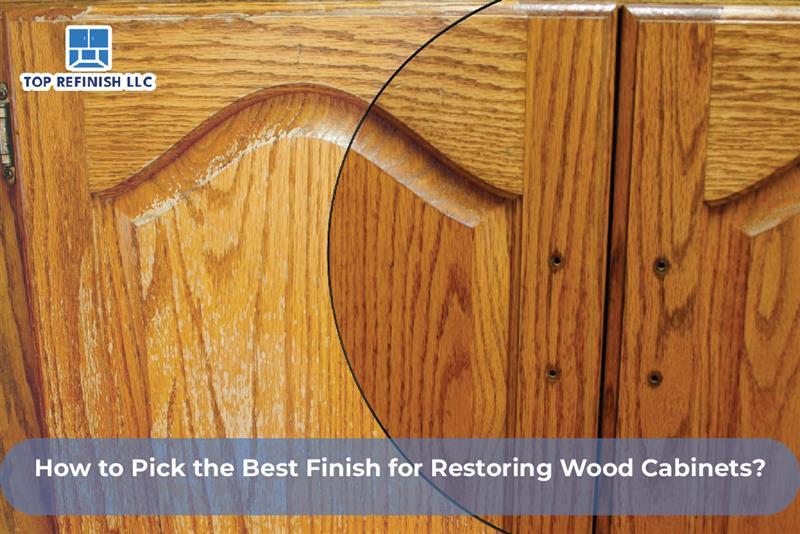
Wood cabinets are the centerpiece of any kitchen or living space, and over time, they can lose their luster, showing scratches, water damage, or fading. Choosing the right finish is critical not only for aesthetics but also for durability. With a wide range of finishes available—from matte and satin to high-gloss and lacquer—it can feel overwhelming to decide which one suits your cabinets best. Understanding the differences between finishes and how they affect the look, protection, and maintenance of your wood cabinets will save you time, money, and frustration. Let’s explore the best options to restore your cabinets beautifully and effectively.
Understanding Wood Cabinet Finishes
Before diving into specific finishes, it’s essential to understand what a finish actually does. A finish serves two main purposes: protection and enhancement. It protects wood from moisture, heat, and daily wear while enhancing the natural grain and color. Some finishes penetrate the wood deeply, while others form a protective layer on the surface. Choosing the right type depends on your lifestyle, kitchen usage, and desired appearance. For example, a high-traffic kitchen may require a more durable, water-resistant finish, whereas a decorative cabinet may prioritize beauty over heavy-duty protection.
Wood type also influences the finish choice. Hardwoods like maple, oak, or cherry respond differently to stains and sealants than softer woods like pine or birch. Testing a small area before full application helps determine how the finish will interact with the wood’s natural tones. Additionally, environmental factors like humidity and sunlight exposure affect the longevity of the finish, so it’s important to consider these when selecting a product.
Choosing Between Oil-Based and Water-Based Finishes
One of the first major decisions is whether to use an oil-based or water-based finish. Oil-based finishes penetrate deep into the wood, bringing out rich colors and enhancing the grain. They are highly durable, resistant to scratches, and perfect for kitchens or bathrooms. However, oil-based finishes take longer to dry, emit strong odors, and require mineral spirits for cleanup.
Water-based finishes, on the other hand, dry quickly, have low odor, and clean up easily with soap and water. They provide a clear finish that won’t yellow over time, making them ideal for lighter wood tones. Although slightly less durable than oil-based options, modern water-based products offer impressive protection against scratches and moisture. Depending on your priorities—whether it’s speed, color richness, or environmental considerations—choosing the right base finish is essential for effective cabinet restoration.
Matte, Satin, and Gloss: Picking the Right Sheen
Finish sheen affects the overall look and feel of your cabinets. Matte finishes give a natural, understated elegance, hiding scratches and fingerprints well. Satin finishes strike a balance between subtlety and shine, reflecting light softly while offering easier cleaning. High-gloss finishes create a bold, modern look, highlighting the wood’s texture and color but showing imperfections more readily.
Consider your kitchen style and usage when choosing sheen. Traditional or rustic kitchens often benefit from matte or satin finishes for warmth, while modern, contemporary kitchens shine with a gloss finish. Keep in mind that higher-sheen finishes typically require more maintenance. A careful assessment of your lifestyle and aesthetic preferences will help you choose the perfect sheen for long-lasting beauty.
Stains vs. Clear Finishes
Deciding whether to use a stain or clear finish depends on your goal. Stains change the color of the wood, enhancing or completely transforming the appearance of your cabinets. They can correct uneven tones or match existing decor, offering flexibility in design. Clear finishes, in contrast, preserve the wood’s natural color while adding protection and depth.
When using stains, it’s important to test small areas first to ensure the color meets your expectations. Layering a clear topcoat over stained wood not only protects the surface but also intensifies the richness of the color. For homeowners seeking a natural, unaltered look, a clear finish alone may suffice. For those aiming for a customized look, stain plus a protective finish creates both beauty and durability.
Application Techniques for a Flawless Finish
Even the best finish can fail if applied incorrectly. Proper preparation is essential, including sanding cabinets, removing dust, and ensuring a clean, dry surface. Using a high-quality brush, roller, or sprayer makes a significant difference in achieving a smooth, even coat. Thin, multiple coats are better than a single heavy coat, preventing drips, bubbles, or uneven drying.
Timing is also key. Follow the manufacturer’s recommendations for drying and recoating. Adequate ventilation and controlled humidity levels enhance the finish’s performance. Patience during the application process ensures a professional-quality look that will last for years, saving future repair costs and keeping your cabinets looking fresh and elegant.
Protecting Your Finished Cabinets
To protect the finish of your restored cabinets, consistent maintenance is essential. Regular cleaning with mild soap and water prevents dirt buildup and reduces wear. Avoid harsh chemicals that can damage the finish or dull its sheen. For high-traffic kitchens, applying a fresh coat of protective finish every few years can extend the cabinets’ lifespan.
In addition to cleaning, monitor for signs of damage such as peeling, chipping, or water spots. Early intervention can prevent more serious issues, preserving both the beauty and functionality of your cabinets. Using coasters, placemats, and cabinet liners can further protect the wood from heat, moisture, and spills.
Expert Tips for Long-Lasting Cabinet Beauty
Choosing the right finish is just part of the equation. Selecting compatible products, investing in quality brushes or applicators, and applying the finish under optimal conditions ensures longevity. Pay attention to manufacturer guidelines and consider professional advice if you’re unsure about the process.
In addition, blending finishes for a customized look can add unique character to your cabinets. For instance, a satin finish over stained wood combines warmth with subtle shine, creating depth and elegance. These small details make a significant difference in the final result, ensuring your restored cabinets remain the centerpiece of your kitchen for years to come.
Wrap-Up
Restoring wood cabinets is a rewarding project that can dramatically enhance your kitchen’s appearance and value. By understanding the types of finishes, considering sheen, deciding between stains or clear coats, and applying products carefully, you ensure a durable and beautiful result. Maintenance and protective habits further extend your cabinets’ life, preserving your investment. With informed decisions and thoughtful application, your cabinets can look stunning for decades. Remember, the right finish is not just about aesthetics—it’s about functionality, protection, and long-term satisfaction. Take your time, follow these guidelines, and enjoy the transformation of your space.
FAQs
Q1: How do I know which finish is best for my wood type?
Test a small, hidden area first to see how the wood reacts to oil-based or water-based finishes and different stains.
Q2: Can I switch from oil-based to water-based finishes?
Yes, but proper surface preparation is required to remove the old finish and ensure adhesion of the new product.
Q3: How many coats of finish should I apply?
Typically, two to three thin coats provide the best protection and smooth appearance without drips or uneven drying.
Q4: How long does it take for cabinets to dry completely?
Drying times vary by finish type, but water-based finishes usually take a few hours per coat, while oil-based finishes may require 24 hours or more.