
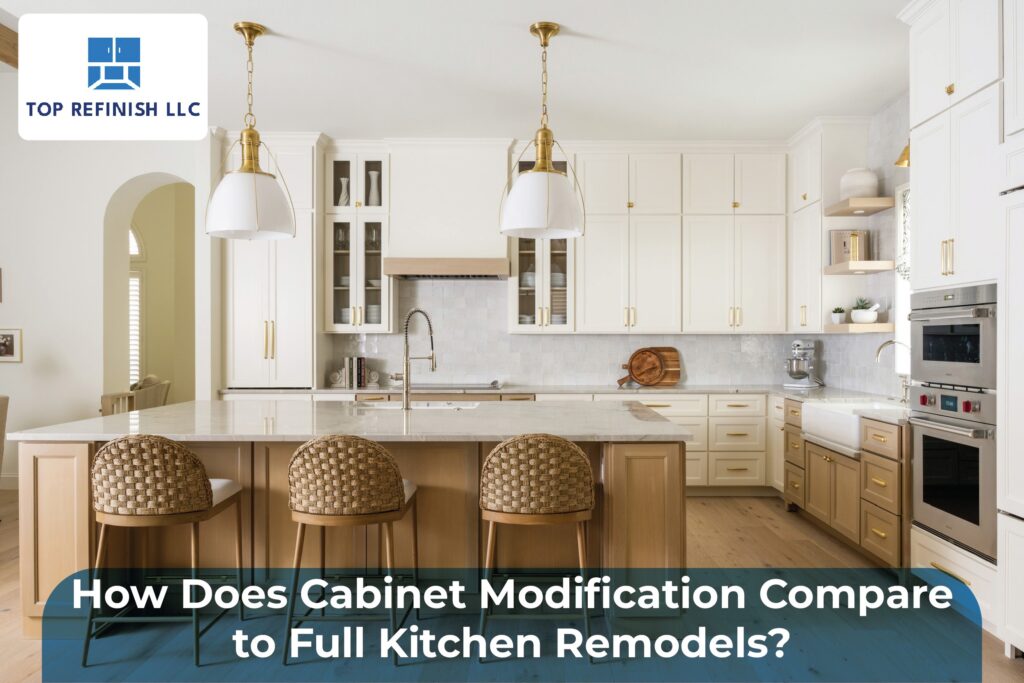
When homeowners start thinking about upgrading their kitchen, one major question usually comes up: Should you modify your existing cabinets or invest in a full kitchen remodel? The kitchen is often called the heart of the home, and updating it can dramatically improve both daily living and property value. However, the scope, cost, timeline, and impact of cabinet modification versus a complete remodel are very different.
Cabinet modification focuses on altering or upgrading existing cabinetry without removing the entire kitchen structure. A full kitchen remodel, on the other hand, typically involves demolition, layout changes, new cabinets, countertops, flooring, appliances, lighting, and sometimes plumbing or electrical work. Understanding the differences between these two approaches helps homeowners make a decision that fits their goals, budget, and timeline.
What Is Cabinet Modification?
Cabinet modification involves adjusting or enhancing existing cabinets rather than replacing them entirely. This can include resizing cabinets, adding new doors, changing configurations, installing additional storage features, updating hardware, or converting cabinets to accommodate modern appliances. In many cases, homeowners combine modification with refinishing or refacing to improve appearance.
Instead of removing the entire cabinet system, professionals work with the existing structure. This approach preserves the kitchen’s layout while improving functionality and design. For example, you might convert standard shelves into pull-out drawers, add soft-close hinges, or modify cabinet height to fit a new refrigerator.
Because cabinet modification keeps the original framework intact, it typically requires less demolition and construction compared to a full remodel.
What Does a Full Kitchen Remodel Include?
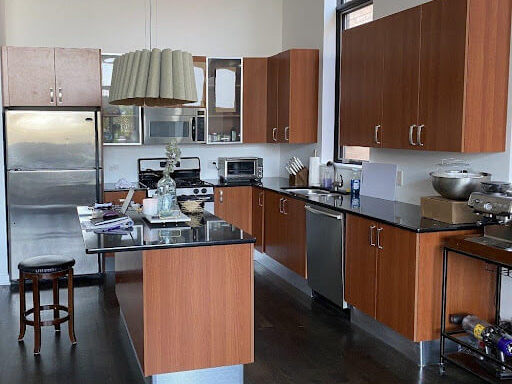
A full kitchen remodel is a comprehensive renovation that may involve changing the layout, replacing cabinets, upgrading countertops, installing new flooring, and updating lighting and appliances. In many cases, it includes structural adjustments, plumbing relocation, or electrical upgrades.
This level of renovation allows homeowners to redesign the entire space from scratch. Walls can be removed, islands added, and traffic flow improved. A full remodel offers complete creative freedom, but it also demands a higher financial investment and longer construction timeline.
While a full remodel can dramatically transform a kitchen, it is not always necessary if the existing layout works well and only specific improvements are needed.
Cost Comparison: Budget Impact
One of the most significant differences between cabinet modification and full kitchen remodeling is cost. Cabinet modification is generally far more budget-friendly because it avoids major demolition and structural changes. By retaining existing cabinets and layout, homeowners save on materials, labor, and disposal fees.
In contrast, a full kitchen remodel often represents one of the most expensive home improvement projects. Replacing cabinets alone can consume a substantial portion of the budget. When combined with new countertops, flooring, lighting, and appliances, costs increase quickly.
For homeowners seeking noticeable improvement without a large financial commitment, cabinet modification offers strong value. It allows targeted upgrades that enhance functionality and style without requiring a full-scale renovation.
Timeline and Disruption
Another important factor to consider is the timeline. Cabinet modification projects typically take significantly less time than full remodels. Because the structural layout remains intact, work progresses more efficiently and causes less disruption to daily life.
A full kitchen remodel, however, can take several weeks or even months, depending on complexity. During this period, homeowners may lose access to their kitchen entirely. This disruption often requires temporary cooking arrangements and careful planning.
If minimizing inconvenience is a priority, cabinet modification provides a practical solution. It allows meaningful improvements while keeping the home more livable throughout the process.
Design Flexibility and Customization
When comparing design possibilities, full remodels offer the greatest flexibility. Homeowners can completely change the layout, add an island, relocate appliances, or create an open-concept design. If the existing kitchen layout feels cramped or outdated, a full remodel may be necessary to achieve the desired functionality.
Cabinet modification, however, focuses on enhancing the existing design. While it does not allow for dramatic layout changes, it still offers meaningful customization. Storage can be optimized, cabinet interiors improved, and modern features added. In many cases, thoughtful modifications solve functional issues without altering the overall structure.
Therefore, the right choice depends on whether the homeowner is satisfied with the current layout or seeking a complete transformation.
Return on Investment
Both cabinet modification and full kitchen remodels can increase home value, but the return on investment varies. Full remodels often yield high resale appeal, especially when executed with quality materials and modern design. Buyers frequently prioritize updated kitchens when evaluating homes.
However, cabinet modification can also deliver strong returns relative to its cost. Because it requires a smaller investment, even moderate increases in property value represent a favorable financial outcome. For homeowners planning to sell within a few years, cabinet modification may provide sufficient aesthetic improvement without overspending.
In many cases, the best financial decision balances renovation goals with realistic market expectations.
Environmental Considerations
Sustainability is another factor worth considering. Cabinet modification reduces waste by reusing existing materials. Instead of discarding cabinets and contributing to landfill waste, homeowners extend the life of functional structures.
A full remodel, while transformative, generates more debris and requires new materials, which increases environmental impact. For homeowners who value eco-friendly practices, cabinet modification aligns well with sustainable remodeling strategies.
By preserving quality cabinetry and updating only what is necessary, homeowners reduce resource consumption while achieving meaningful improvement.
Functional Improvements Without Major Construction
Many kitchens function well structurally but lack modern storage solutions. Cabinet modification addresses these issues effectively. Adding pull-out shelves, lazy Susans, vertical dividers, and custom inserts improves organization without major reconstruction.
Additionally, modifying cabinet openings to fit larger appliances can modernize the kitchen without altering walls or plumbing. These practical enhancements increase daily convenience and efficiency.
In contrast, a full remodel might be excessive if the primary concern is storage or minor layout adjustments. Understanding the specific problem helps determine which solution provides the most efficient outcome.
When Is a Full Remodel the Better Choice?
Although cabinet modification offers many advantages, certain situations require a full remodel. If cabinets are severely damaged, structurally unsound, or made from low-quality materials, replacement may be unavoidable. Similarly, if homeowners want to completely reconfigure the space or address outdated plumbing and electrical systems, a comprehensive renovation is more appropriate.
A full remodel also makes sense when the kitchen no longer meets household needs due to lifestyle changes. Expanding cooking areas, increasing counter space, or improving accessibility may require more extensive construction.
The decision ultimately depends on the scale of desired improvement and the condition of the existing kitchen.
Wrap-Up: Choosing the Right Approach for Your Kitchen
Cabinet modification and full kitchen remodels both offer valuable benefits, but they serve different purposes. Cabinet modification provides a cost-effective, less disruptive way to enhance functionality and refresh appearance while preserving the existing layout. It works best when cabinets are structurally sound and only targeted upgrades are needed.
A full kitchen remodel, on the other hand, allows complete transformation and maximum design flexibility. While it requires a larger investment and longer timeline, it delivers dramatic results when structural changes are necessary.
Ultimately, the best choice depends on your goals, budget, and current kitchen condition. By carefully evaluating your needs, you can select an approach that improves functionality, enhances style, and delivers long-term value.
Frequently Asked Questions
Is cabinet modification cheaper than a full remodel?
Yes, cabinet modification typically costs significantly less because it avoids major demolition and structural changes.
Can cabinet modification improve storage?
Absolutely. Modifications can include pull-out shelves, soft-close drawers, and custom storage solutions.
Does a full remodel increase home value more?
In many cases, yes, but it also requires a higher investment. Cabinet modification can still offer strong returns relative to cost.
How do I know which option is right for me?
Assess the condition of your cabinets, your budget, and whether you want layout changes or simply improved functionality.